

As a supplier of small oxygen generators, I understand the importance of proper maintenance to ensure the longevity and efficient operation of these devices. Small oxygen generators are widely used in various settings, including homes, clinics, and even during high - altitude activities. In this blog, I will discuss the different types of maintenance that a small oxygen generator requires.
Regular Cleaning
One of the most fundamental maintenance tasks for a small oxygen generator is regular cleaning. The air intake filter is a crucial component that needs frequent attention. Over time, dust, dirt, and other particles can accumulate on the filter, restricting the airflow into the generator. This not only reduces the efficiency of the oxygen production but can also cause the device to work harder, leading to increased energy consumption and potential damage to the internal components.
To clean the air intake filter, first, make sure the oxygen generator is turned off and unplugged from the power source. Then, carefully remove the filter according to the manufacturer's instructions. Most filters can be washed with mild soap and water. After washing, let the filter dry completely before reinstalling it. It is recommended to clean the air intake filter at least once a month, or more frequently if the device is used in a dusty environment.
In addition to the air intake filter, the exterior of the oxygen generator should also be cleaned regularly. Use a soft, damp cloth to wipe the surface of the device, removing any dust or debris. Avoid using harsh chemicals or abrasive materials, as these can damage the finish of the generator.
Inspection of Tubing and Connectors
The tubing and connectors of a small oxygen generator play a vital role in delivering the oxygen to the user. Over time, these components can become worn, cracked, or loose, which can lead to oxygen leakage. Regular inspection of the tubing and connectors is essential to ensure a proper and safe oxygen supply.
Check the tubing for any signs of damage, such as cracks, holes, or kinks. If any damage is found, replace the tubing immediately. Also, make sure the connectors are securely attached to both the oxygen generator and the oxygen delivery device, such as a nasal cannula or a mask. Loose connectors can cause oxygen to leak, reducing the effectiveness of the therapy.
Monitoring Oxygen Output
Monitoring the oxygen output of a small oxygen generator is an important part of maintenance. The oxygen output should be checked regularly to ensure that it meets the required specifications. Most small oxygen generators are equipped with an oxygen concentration monitor, which can display the percentage of oxygen being produced.
If the oxygen output is lower than the expected level, it could indicate a problem with the generator. This could be due to a clogged filter, a malfunctioning compressor, or other internal issues. In such cases, it is recommended to contact a professional technician for further diagnosis and repair.
Lubrication of Moving Parts
Some small oxygen generators have moving parts, such as compressors and fans. These parts require proper lubrication to ensure smooth operation and prevent excessive wear and tear. Refer to the manufacturer's instructions for the recommended lubrication schedule and the type of lubricant to use.
Over - lubrication can also be a problem, as it can attract dust and debris, leading to clogs and reduced performance. Therefore, it is important to follow the manufacturer's guidelines carefully when lubricating the moving parts.
Battery Maintenance (if applicable)
If your small oxygen generator is battery - powered, proper battery maintenance is crucial. Batteries have a limited lifespan, and their performance can degrade over time. To extend the battery life, make sure to charge the battery fully before each use. Avoid over - charging or under - charging the battery, as this can damage the battery cells.
It is also recommended to store the battery in a cool, dry place when not in use. If the battery is not going to be used for an extended period, it should be charged to about 50% and then stored. Regularly check the battery for any signs of damage, such as swelling or leakage. If any damage is found, replace the battery immediately.
Software and Firmware Updates
Some modern small oxygen generators are equipped with software and firmware that control their operation. These software and firmware may need to be updated periodically to improve performance, add new features, or fix bugs.
Check the manufacturer's website regularly for any available software or firmware updates. Follow the instructions provided by the manufacturer to install the updates correctly. Updating the software and firmware can help ensure that your oxygen generator is operating at its best.
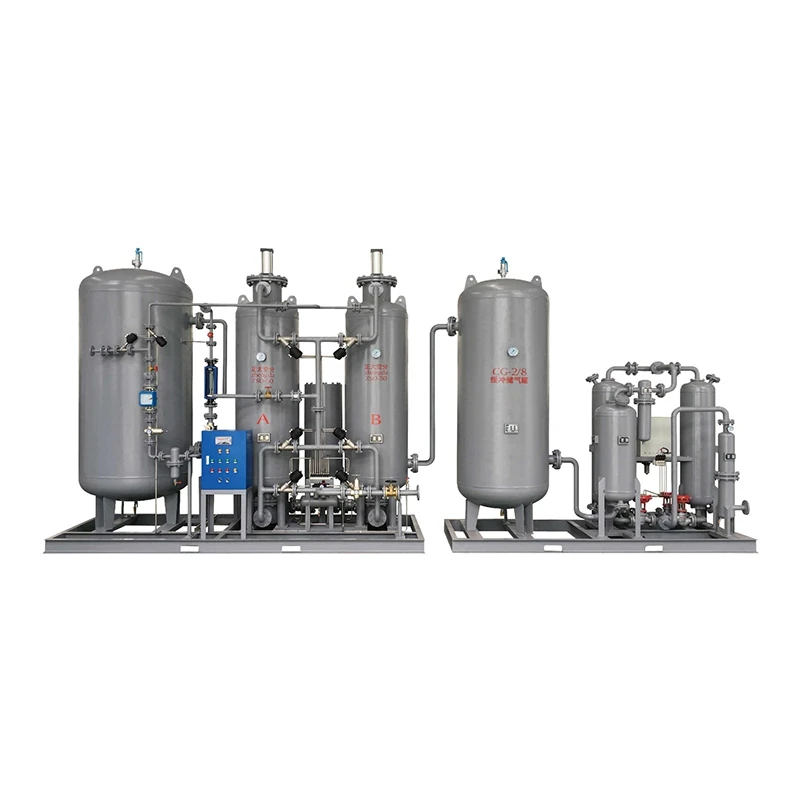

Different Types of Small Oxygen Generators and Their Specific Maintenance
There are several types of small oxygen generators available in the market, each with its own unique features and maintenance requirements.
Plateau Oxygen Generator
The Plateau Oxygen Generator is designed to work efficiently at high altitudes. Due to the harsh environmental conditions at high altitudes, such as low air pressure and low oxygen levels, this type of generator may require more frequent maintenance. The air intake filter may need to be cleaned more often, as there is more dust and debris in the thin air. Also, the compressor may need to work harder at high altitudes, so it is important to monitor its performance regularly.
High Pressure Oxygen Generator
The High Pressure Oxygen Generator is capable of producing oxygen at a higher pressure than standard generators. This type of generator has more complex internal components, such as high - pressure valves and compressors. Regular inspection of these components is essential to ensure safe and efficient operation. The high - pressure valves should be checked for any signs of leakage or malfunction, and the compressor should be monitored for proper pressure output.
Energy Saving Oxygen Generator
The Energy Saving Oxygen Generator is designed to consume less energy while producing the same amount of oxygen. To maintain its energy - saving features, it is important to keep the generator clean and well - maintained. A dirty filter or a malfunctioning component can cause the generator to consume more energy than necessary. Regularly check the energy consumption of the generator to ensure that it is operating within the expected range.
Conclusion
Proper maintenance of a small oxygen generator is essential to ensure its longevity, efficiency, and safety. By following the maintenance tasks outlined in this blog, you can keep your oxygen generator in good working condition and provide a reliable oxygen supply.
If you are interested in purchasing a small oxygen generator or have any questions about maintenance, feel free to contact us for further discussions. We are committed to providing high - quality oxygen generators and professional after - sales service.
References
- Manufacturer's manuals of small oxygen generators
- Industry standards and guidelines for oxygen generator maintenance