

Picking the right air hose for your electric air compressor can be a real headache. But don't worry, I'm here to help you out. As an electric air compressor supplier, I've seen it all, and I know what it takes to make the right choice. So, let's dive in and figure out how to choose the perfect air hose for your needs.
Understanding Your Electric Air Compressor
First things first, you need to understand your electric air compressor. Different compressors have different requirements, and knowing these will help you pick the right air hose. For instance, if you have a Compressor Positive Displacement, it works by trapping air in a chamber and then reducing its volume. This type of compressor might need a hose that can handle high pressure.
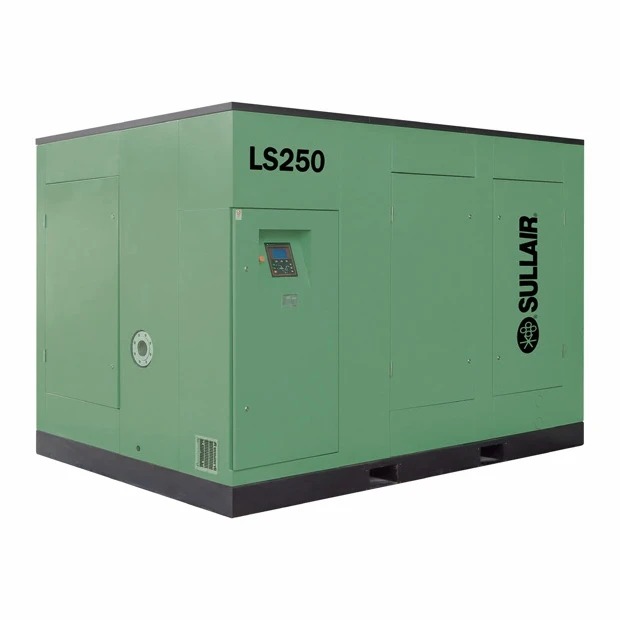

On the other hand, an Oil Free Electric Air Compressor is a great option if you're looking for a cleaner and more maintenance - free operation. Since it doesn't use oil, you don't have to worry about oil contamination in the air hose. But it still has its own pressure and flow requirements that you need to consider.
Factors to Consider When Choosing an Air Hose
1. Size Matters
The size of the air hose is crucial. It's mainly determined by two things: the inner diameter (ID) and the length. The inner diameter affects the air flow. A larger ID allows more air to pass through, which is great if you're using tools that require a high volume of air. For example, if you're using a large - scale spray gun or a pneumatic jackhammer, you'll need a hose with a bigger ID.
The length of the hose also plays a role. A longer hose can give you more flexibility in moving around, but it can also cause a drop in pressure. If you have a long - distance job, you might need to choose a hose with a larger ID to compensate for the pressure loss.
2. Pressure Rating
The pressure rating of the air hose is another important factor. You need to make sure that the hose can handle the maximum pressure output of your electric air compressor. If you have an A Positive Displacement Air Compressor, it can generate high pressures, so you'll need a hose with a high - pressure rating.
Most air hoses have their pressure ratings clearly marked on them. Make sure to check this before making a purchase. It's better to go for a hose with a slightly higher pressure rating than your compressor's output to give you some margin of safety.
3. Material
Air hoses come in different materials, and each has its own pros and cons.
- Rubber Hoses: These are very flexible and can withstand a wide range of temperatures. They're also resistant to abrasion, which makes them a good choice for rough working environments. However, they can be a bit heavy and might kink easily.
- PVC Hoses: PVC hoses are lightweight and relatively inexpensive. They're easy to handle and don't kink as much as rubber hoses. But they're not as durable as rubber hoses and might not be suitable for high - pressure applications.
- Hybrid Hoses: These are a combination of rubber and PVC. They offer the best of both worlds - flexibility, durability, and resistance to kinking. They're a great all - around option for most applications.
4. Fittings
The fittings on the air hose are just as important as the hose itself. You need to make sure that the fittings are compatible with your electric air compressor and the tools you're using. There are different types of fittings, such as quick - connect fittings, which allow you to easily connect and disconnect the hose from the compressor and tools.
Make sure the fittings are made of high - quality materials and are properly sealed to prevent air leaks. A small air leak can not only reduce the efficiency of your compressor but also waste energy.
Matching the Hose to Your Tools
Different pneumatic tools have different air requirements. For example, a nail gun might not need as much air as a sandblaster. You need to match the air hose to the tools you'll be using.
If you're using multiple tools with different air requirements, you might need to have different hoses or a hose with a variable flow control. This way, you can adjust the air flow according to the tool you're using.
Maintenance and Care
Once you've chosen the right air hose, you need to take good care of it. Regularly inspect the hose for any signs of damage, such as cracks, cuts, or leaks. If you find any damage, replace the hose immediately to avoid any safety hazards.
Store the hose properly when not in use. Coil it up neatly and keep it in a dry, cool place. Avoid exposing the hose to direct sunlight or extreme temperatures, as this can damage the material.
Cost Considerations
Cost is always a factor when making a purchase. While you don't want to skimp on quality, you also don't want to overspend. Compare the prices of different air hoses and consider the features and durability. Sometimes, spending a little more upfront can save you money in the long run, as you won't have to replace the hose as often.
Conclusion
Choosing the right air hose for your electric air compressor is not as complicated as it might seem. By understanding your compressor, considering the factors like size, pressure rating, material, and fittings, and matching the hose to your tools, you can make an informed decision.
If you're still not sure which air hose is right for you, don't hesitate to reach out. As an electric air compressor supplier, I'm here to help you find the perfect solution for your needs. Whether you're a professional contractor or a DIY enthusiast, we've got the products and expertise to assist you. Contact us for more information and to start a purchase negotiation.
References
- Compressor Handbook, various editions
- Pneumatic Tools and Equipment Manuals
- Industry research on air hoses and electric air compressors