

Can a medical oxygen concentrator be used for COPD?
Chronic Obstructive Pulmonary Disease (COPD) is a prevalent and debilitating respiratory condition that affects millions of people worldwide. Characterized by persistent airflow limitation, COPD often leads to reduced oxygen levels in the blood, causing shortness of breath, fatigue, and other distressing symptoms. As a supplier of Medical Oxygen Concentrator, I am frequently asked whether our devices can be used to manage the oxygen needs of patients with COPD. In this blog post, I will explore this question in detail, drawing on scientific evidence and practical experience.
Understanding COPD and Oxygen Therapy
COPD encompasses a group of progressive lung diseases, including chronic bronchitis and emphysema. These conditions damage the airways and alveoli, making it difficult for the lungs to effectively exchange oxygen and carbon dioxide. As a result, patients with COPD often experience hypoxemia, a condition where the oxygen levels in the blood are lower than normal.
Oxygen therapy is a crucial treatment for many COPD patients. By increasing the amount of oxygen available to the body, it can relieve symptoms such as shortness of breath, improve exercise tolerance, and enhance overall quality of life. Oxygen therapy can also help prevent complications associated with long - term hypoxemia, such as pulmonary hypertension and heart failure.
How Medical Oxygen Concentrators Work
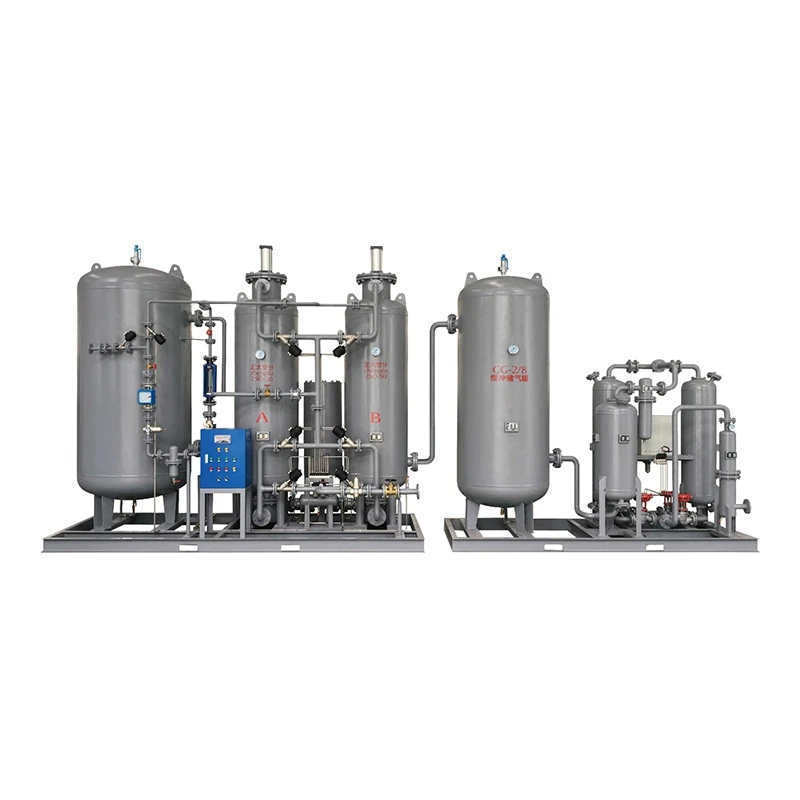
A medical oxygen concentrator is a device that extracts oxygen from the surrounding air and delivers it to the patient at a concentrated level. The most common type of oxygen concentrator uses a technology called pressure swing adsorption (PSA). In a PSA oxygen concentrator, air is drawn into the device and passed through a bed of molecular sieves. These sieves selectively adsorb nitrogen, allowing oxygen to pass through and be delivered to the patient.
The Molecular Sieve Oxygen Generator is a prime example of this technology. It can produce oxygen with a purity of up to 95%, which is suitable for most medical applications. Another type is the Plateau Oxygen Generator, which is designed to operate effectively in high - altitude areas where the air pressure is lower.
Using Medical Oxygen Concentrators for COPD
Medical oxygen concentrators can be an effective solution for COPD patients. They offer several advantages over traditional oxygen sources, such as oxygen cylinders. Firstly, oxygen concentrators are more convenient and cost - effective in the long run. Once purchased, they can provide a continuous supply of oxygen without the need for frequent refills. Secondly, they are relatively easy to use and can be operated at home, allowing patients to maintain a normal lifestyle while receiving oxygen therapy.
However, it is important to note that not all COPD patients require oxygen therapy. The decision to use an oxygen concentrator should be based on a thorough evaluation by a healthcare professional. Factors such as the patient's oxygen saturation levels, symptoms, and activity levels need to be considered. In general, oxygen therapy is recommended for patients with severe hypoxemia (oxygen saturation levels below 88% at rest) or those who experience significant shortness of breath during physical activity.
Prescribing and Monitoring Oxygen Therapy
When prescribing oxygen therapy for COPD patients, healthcare providers will determine the appropriate flow rate and duration of oxygen use. The flow rate is measured in liters per minute (LPM) and can range from 1 to 10 LPM or more, depending on the patient's needs. It is crucial to follow the prescribed flow rate to ensure that the patient receives the right amount of oxygen.
Regular monitoring of oxygen saturation levels is also essential. This can be done using a pulse oximeter, a non - invasive device that measures the oxygen saturation of the blood. By monitoring oxygen levels, healthcare providers can adjust the oxygen therapy as needed to maintain optimal oxygenation.
Considerations for Using Oxygen Concentrators
While medical oxygen concentrators are generally safe and effective, there are some considerations to keep in mind when using them for COPD patients.
- Maintenance: Oxygen concentrators require regular maintenance to ensure optimal performance. This includes cleaning the air filters, checking the tubing for leaks, and having the device serviced periodically.
- Noise: Some oxygen concentrators can be noisy, which may be a concern for patients, especially during sleep. It is important to choose a quiet model or use noise - reducing accessories.
- Power Supply: Oxygen concentrators need a reliable power source. In case of a power outage, it is advisable to have a backup power supply, such as a battery or a generator.
Case Studies and Patient Experiences
Many COPD patients have benefited from using medical oxygen concentrators. For example, Mr. Smith, a 65 - year - old COPD patient, was experiencing severe shortness of breath and fatigue. After starting oxygen therapy with a medical oxygen concentrator, his symptoms improved significantly. He was able to walk longer distances and engage in daily activities with less discomfort.
Mrs. Johnson, another COPD patient, found that using an oxygen concentrator at night helped her sleep better. By maintaining adequate oxygen levels during sleep, she woke up feeling more refreshed and less tired.

Conclusion
In conclusion, medical oxygen concentrators can be a valuable tool for managing the oxygen needs of COPD patients. They offer a convenient and cost - effective solution for oxygen therapy, allowing patients to improve their quality of life and manage their symptoms more effectively. However, it is essential to work closely with a healthcare professional to determine the appropriate use of oxygen therapy and to ensure proper monitoring and maintenance of the oxygen concentrator.
If you are interested in learning more about our Medical Oxygen Concentrator products or would like to discuss purchasing options, please feel free to reach out. Our team of experts is ready to assist you in finding the right oxygen solution for your needs.
References
- Global Initiative for Chronic Obstructive Lung Disease (GOLD). Global Strategy for the Diagnosis, Management, and Prevention of COPD. 2023.
- National Heart, Lung, and Blood Institute. Chronic Obstructive Pulmonary Disease (COPD). Available at: https://www.nhlbi.nih.gov/health/copd. Accessed [date].
- American Thoracic Society. Standards for the Selection of Oxygen Devices for Home Use in Chronic Respiratory Disorders. Am J Respir Crit Care Med. 2002;166(8):1128 - 1134.