

Can an Oxygen Giving Machine be used for children?
As a supplier of oxygen giving machines, I often receive inquiries from parents and caregivers about whether these devices can be safely used for children. This is a crucial question, as the health and well - being of children are of utmost importance. In this blog, I will explore the various aspects of using an oxygen giving machine for children, including the benefits, potential risks, and considerations.
Benefits of Using an Oxygen Giving Machine for Children
Oxygen giving machines, also known as oxygen concentrators, can be extremely beneficial for children in certain situations. For children with respiratory conditions such as asthma, cystic fibrosis, or pneumonia, supplemental oxygen can help improve oxygen levels in the blood, relieve shortness of breath, and reduce the strain on the heart and lungs.
In cases where a child has a congenital heart defect or is recovering from surgery, an oxygen giving machine can provide the necessary oxygen support to aid in the healing process. Additionally, for children living at high altitudes where the oxygen levels are lower, an oxygen concentrator can help maintain normal oxygen saturation levels, preventing altitude - related illnesses.
Types of Oxygen Giving Machines
There are different types of oxygen giving machines available in the market, each with its own features and capabilities.
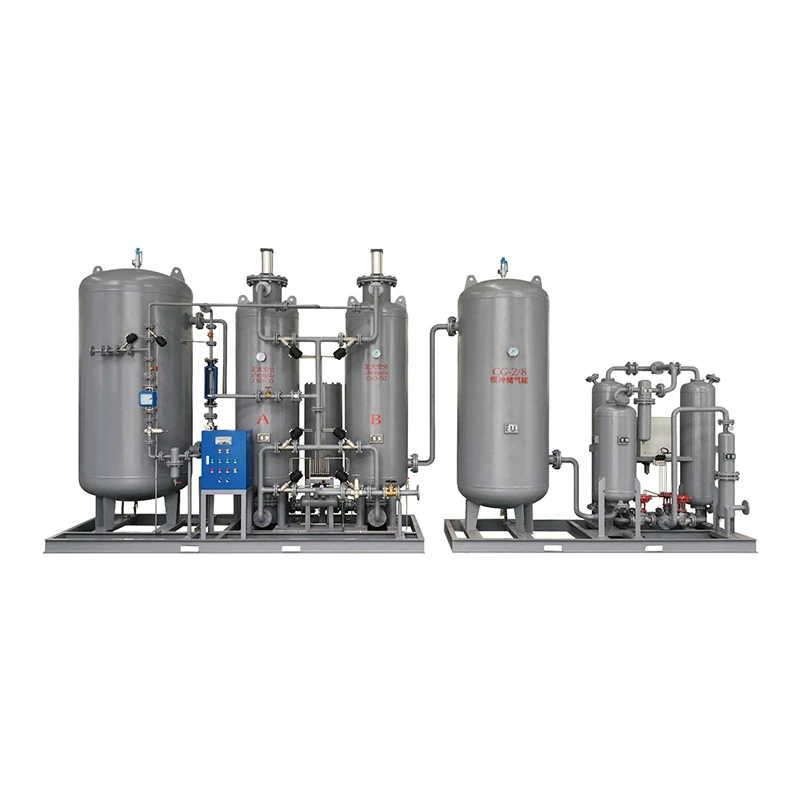
The High Pressure Oxygen Generator is designed to produce oxygen at a higher pressure, which can be useful for certain medical applications. It is often used in hospital settings or for patients who require a more concentrated oxygen supply.
The High Purity Oxygen Generator is capable of producing oxygen with a high level of purity, which is essential for patients with specific medical needs. This type of oxygen concentrator is often used in critical care units and for patients with severe respiratory conditions.
The Large Oxygen Generator is suitable for large - scale applications, such as in hospitals or long - term care facilities. It can provide a continuous supply of oxygen to multiple patients simultaneously.
Considerations for Using an Oxygen Giving Machine for Children
When using an oxygen giving machine for children, several important considerations need to be taken into account.

Safety
Safety is the top priority when using any medical device, especially for children. Oxygen is a highly flammable gas, so it is essential to keep the oxygen giving machine away from open flames, heat sources, and electrical appliances. The device should also be placed in a well - ventilated area to prevent the accumulation of oxygen.
Oxygen Flow Rate
The oxygen flow rate needs to be carefully adjusted according to the child's age, weight, and medical condition. A pediatrician or a respiratory therapist should be consulted to determine the appropriate flow rate. Too much oxygen can be harmful to children, leading to oxygen toxicity, which can cause damage to the lungs, eyes, and central nervous system.
Humidification
Oxygen can be drying to the respiratory tract, especially for children. Using a humidifier with the oxygen giving machine can help prevent dryness and irritation of the nasal passages and throat. The humidifier should be cleaned regularly to prevent the growth of bacteria and mold.
Monitoring
Regular monitoring of the child's oxygen saturation levels is essential when using an oxygen giving machine. A pulse oximeter can be used to measure the oxygen saturation in the blood. The child's vital signs, including heart rate, respiratory rate, and oxygen saturation, should be closely monitored to ensure that the oxygen therapy is effective and safe.
Potential Risks
While oxygen giving machines can be beneficial for children, there are also some potential risks associated with their use.
Oxygen Toxicity
As mentioned earlier, excessive oxygen intake can lead to oxygen toxicity. Symptoms of oxygen toxicity may include coughing, chest pain, difficulty breathing, and vision problems. It is important to follow the doctor's instructions regarding the oxygen flow rate and duration of therapy to minimize the risk of oxygen toxicity.
Infection
If the oxygen giving machine is not properly cleaned and maintained, it can become a breeding ground for bacteria and other pathogens. This can increase the risk of respiratory infections in children. Regular cleaning and disinfection of the oxygen concentrator, tubing, and humidifier are essential to prevent infections.
Conclusion
In conclusion, an oxygen giving machine can be used for children, but it should be used with caution and under the guidance of a medical professional. The benefits of oxygen therapy for children with certain medical conditions can be significant, but it is important to be aware of the potential risks and take appropriate precautions.
If you are considering purchasing an oxygen giving machine for a child, I encourage you to contact us for more information. Our team of experts can provide you with detailed product information, help you choose the right oxygen concentrator for your child's needs, and offer support and guidance throughout the purchasing process. We are committed to providing high - quality oxygen giving machines and excellent customer service. Let's discuss your requirements and find the best solution for your child's health.
References
- American Academy of Pediatrics. Clinical Practice Guidelines for Pediatric Respiratory Care.
- National Heart, Lung, and Blood Institute. Oxygen Therapy for Children.
- World Health Organization. Guidelines on Oxygen Therapy for Children.