

If you're an owner of an electric air compressor and it refuses to start, it can be a frustrating experience. As a supplier of electric air compressors, I've encountered various issues related to non - starting compressors over the years. In this blog, I'll guide you through a series of steps to diagnose and potentially fix the problem.
Check the Power Supply
The first and most basic step is to examine the power supply. A lack of power is often the root cause of an electric air compressor not starting.
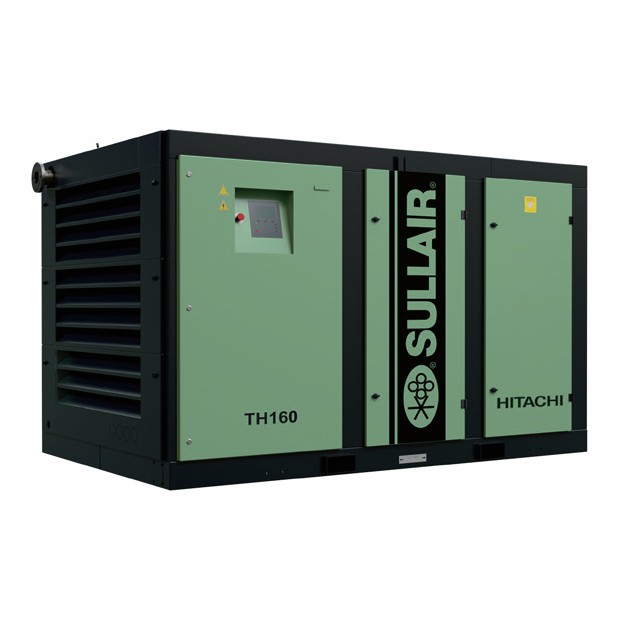

- Verify the Outlet: Ensure that the outlet you're using is functioning properly. You can plug in another device, such as a lamp, to check if the outlet has power. If the lamp doesn't turn on, the issue might be with the outlet itself. Check the circuit breaker or fuse box to see if a breaker has tripped or a fuse has blown. Reset the breaker or replace the fuse if necessary.
- Inspect the Power Cord: Examine the power cord for any visible signs of damage, such as cuts, frays, or exposed wires. A damaged power cord can prevent the compressor from receiving power. If you find any damage, replace the power cord immediately. It's important to use a cord that is rated for the appropriate amperage and voltage of your compressor.
- Check the Plug: Make sure the plug is securely inserted into the outlet. Sometimes, a loose plug can cause intermittent power issues. Try unplugging and then firmly plugging the compressor back into the outlet.
Examine the Pressure Switch
The pressure switch is a crucial component of an electric air compressor. It controls when the compressor starts and stops based on the air pressure in the tank.
- Inspect for Damage: Look for any visible signs of damage on the pressure switch, such as cracks or burnt areas. A damaged pressure switch may not function correctly, preventing the compressor from starting. If you notice any damage, it's advisable to replace the pressure switch.
- Adjust the Cut - In Pressure: The cut - in pressure is the pressure at which the compressor starts. If the cut - in pressure is set too high, the compressor may not start. You can adjust the cut - in pressure using a screwdriver. Refer to your compressor's manual for the specific instructions on how to adjust the pressure switch. However, be cautious when making adjustments, as incorrect settings can lead to improper operation of the compressor.
- Test the Switch: You can use a multimeter to test the pressure switch. Set the multimeter to the resistance (ohms) setting and place the probes on the switch terminals. When the switch is in the closed position (below the cut - in pressure), the multimeter should show a low resistance (close to zero). If the multimeter shows an open circuit (infinite resistance), the pressure switch may be faulty and needs to be replaced.
Evaluate the Motor
The motor is the heart of the electric air compressor. If the motor is not working, the compressor won't start.
- Listen for Sounds: When you try to start the compressor, listen for any unusual sounds. A humming sound without the motor turning could indicate a problem with the motor's starting capacitor. A grinding or clicking sound may suggest mechanical issues within the motor.
- Check the Capacitor: The starting capacitor provides the initial boost of power to start the motor. Over time, capacitors can fail. You can use a capacitor tester to check the capacitance of the capacitor. If the capacitance is significantly lower than the rated value, the capacitor needs to be replaced.
- Inspect the Motor Windings: A short circuit or open circuit in the motor windings can prevent the motor from starting. You can use a multimeter to test the resistance of the motor windings. If the resistance is outside the normal range specified in the motor's manual, the motor may be damaged and need to be repaired or replaced.
Look at the Air Filter
A clogged air filter can cause the compressor to work harder and may prevent it from starting.
- Inspect the Filter: Remove the air filter and check it for dirt, dust, and debris. If the filter is dirty, it can restrict the airflow into the compressor, causing the motor to overheat and potentially not start.
- Clean or Replace the Filter: If the filter is dirty, you can clean it by gently tapping it to remove loose debris or by using compressed air to blow out the dirt. However, if the filter is severely clogged or damaged, it's best to replace it with a new one. A clean air filter ensures proper airflow and helps the compressor operate efficiently.
Check for Mechanical Blockages
Mechanical blockages can prevent the compressor from starting.
- Inspect the Belt: If your compressor has a belt - driven system, check the belt for tightness and damage. A loose or damaged belt can cause the compressor to not start or operate inefficiently. Adjust the belt tension according to the manufacturer's instructions or replace the belt if it's worn out.
- Examine the Piston and Cylinder: In a reciprocating compressor, the piston and cylinder can become stuck due to lack of lubrication or debris. If the piston is stuck, the compressor won't start. You may need to disassemble the compressor and clean or lubricate the piston and cylinder components. However, this should be done by a qualified technician if you're not experienced with compressor maintenance.
Consider Other Factors
There are other factors that can contribute to an electric air compressor not starting.
- Overheating: If the compressor has been running for an extended period or in a hot environment, it may overheat and shut down. Allow the compressor to cool down before attempting to start it again. Make sure the compressor is installed in a well - ventilated area to prevent overheating.
- Low Oil Level: For oil - lubricated compressors, a low oil level can cause the compressor to not start or operate inefficiently. Check the oil level in the compressor and add oil if necessary. Use the type of oil recommended by the manufacturer.
As a supplier of electric air compressors, we offer a wide range of high - quality products, including Electric Industrial Air Compressor, Large Electric Air Compressor, and Air Displacement Compressor. If you've followed all the steps above and still can't get your compressor to start, or if you're looking to purchase a new compressor, we're here to help. Our team of experts can provide you with professional advice and solutions. Contact us for more information and to discuss your specific requirements.
References
- Compressor Manufacturer's Manuals
- Industry Standards for Electric Air Compressors
- Technical Publications on Compressor Maintenance and Troubleshooting