

Hey there! As a supplier of small oxygen generators, I often get asked whether these nifty little devices are compatible with other medical equipment. It's a great question, and today, I'm gonna break it down for you.
First off, let's talk about what small oxygen generators are. These are compact machines designed to produce oxygen from the surrounding air. They're super handy for home use, especially for people with respiratory issues like asthma or chronic obstructive pulmonary disease (COPD). They can also be used in medical facilities for patients who need a little extra oxygen support.
Now, onto the big question: Are small oxygen generators compatible with other medical devices? The answer is, it depends. There are a few factors to consider when it comes to compatibility.
1. Power Requirements
One of the first things to think about is the power requirements of both the small oxygen generator and the other medical device. Most small oxygen generators run on standard household electricity, but some might require a specific voltage or frequency. If you're planning to use an oxygen generator alongside another device, make sure they can share the same power source without overloading the circuit. For example, if you have a high - power medical device like a ventilator, you'll need to check if your oxygen generator can handle the additional load on the electrical system.
2. Gas Flow and Pressure
Another crucial factor is the gas flow and pressure. Different medical devices have different requirements for the flow rate and pressure of oxygen. Small oxygen generators typically have a set range of flow rates they can provide. For instance, some may offer flow rates from 1 to 5 liters per minute. If you're using the oxygen generator with a device like a nebulizer, which requires a specific flow rate to function properly, you need to make sure the oxygen generator can meet that requirement. If the flow rate is too low, the nebulizer might not work as effectively, and if it's too high, it could cause discomfort or even damage to the device.
3. Safety and Standards
Safety is always a top priority when it comes to medical devices. Small oxygen generators need to meet certain safety standards, just like other medical equipment. When using an oxygen generator with another device, you need to ensure that both devices are compliant with relevant safety regulations. For example, they should be properly grounded to prevent electrical shocks and have built - in safety features to prevent overheating or oxygen leaks.
4. Interface and Connection
The way the oxygen generator and the other medical device connect is also important. Some devices may require a specific type of connector or adapter to work together. For example, if you're using an oxygen generator with a CPAP machine, you'll need to make sure the tubing and connectors are compatible. A mismatch in connectors can lead to air leaks, which can reduce the effectiveness of both devices.
Compatibility with Common Medical Devices
Nebulizers
Nebulizers are used to convert liquid medication into a fine mist that can be inhaled. They usually work well with small oxygen generators. Most nebulizers require a flow rate of around 6 - 8 liters per minute of oxygen. Many small oxygen generators can provide this flow rate, making them a good match. However, it's important to check the specific requirements of your nebulizer and make sure your oxygen generator can meet them.
CPAP Machines
Continuous Positive Airway Pressure (CPAP) machines are used to treat sleep apnea. They work by providing a constant stream of air pressure to keep the airway open during sleep. Some CPAP machines can be used with an oxygen generator to provide additional oxygen. In this case, you need to make sure the oxygen generator can deliver the right amount of oxygen at the right pressure to work in conjunction with the CPAP machine.
Ventilators
Ventilators are more complex medical devices used to assist patients with breathing. They have very specific requirements for oxygen flow and pressure. While some small oxygen generators may be able to work with certain types of ventilators, it's crucial to consult with a medical professional and the manufacturers of both devices to ensure compatibility.
Our Product Range
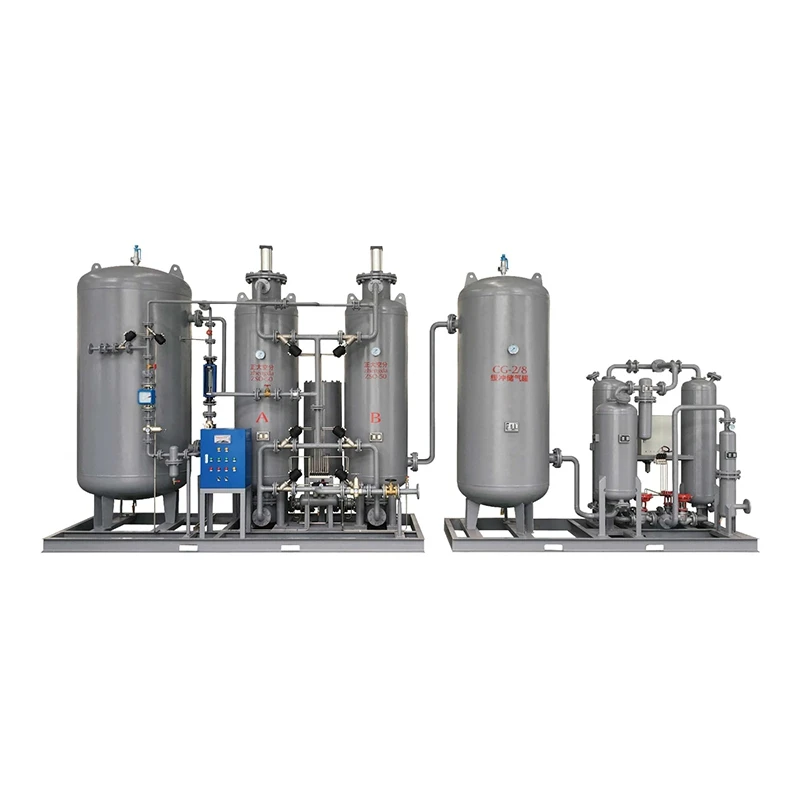
As a supplier of small oxygen generators, we offer a variety of products to meet different needs. We also have related products like Industrial Oxygen Generator, High Purity Oxygen Generator, and Molecular Sieve Oxygen Generator. These products are designed with high - quality materials and advanced technology to ensure reliable performance.
How to Ensure Compatibility
If you're thinking about using a small oxygen generator with other medical devices, here are some steps you can take:
- Read the Manuals: Carefully read the user manuals of both the oxygen generator and the other medical device. They will provide detailed information about power requirements, flow rates, and safety instructions.
- Consult a Professional: If you're unsure about compatibility, it's a good idea to consult a medical professional or an expert in medical equipment. They can provide you with accurate advice based on your specific situation.
- Test the Devices: Before using the devices together for an extended period, do a short - term test to make sure they work well together. Check for any signs of malfunction or incompatibility.
Conclusion
In conclusion, small oxygen generators can be compatible with other medical devices, but it's essential to consider factors like power requirements, gas flow and pressure, safety standards, and interface connections. By taking the time to understand these factors and following the necessary steps, you can ensure that your oxygen generator works effectively with other medical equipment.
If you're interested in purchasing a small oxygen generator or have any questions about compatibility, feel free to reach out. We're here to help you find the right solution for your needs.

References
- Medical Device Compatibility: A Guide for Healthcare Providers. [Publisher Name], [Year]
- Oxygen Therapy and Medical Devices: Best Practices. [Publisher Name], [Year]